Understanding Nyonya4D: Origins and Significance
Nyonya4D, a vibrant representation of Peranakan culture, embodies a rich tapestry of history, tradition, and culinary heritage. Originating from the intermingling of Chinese immigrants and local Malays, this unique cultural identity showcases the harmonious blend of influences that have shaped the community over generations. With its roots deeply embedded in the cultural landscape of Southeast Asia, particularly in Malaysia and Singapore, Nyonya4D stands as a testament to the resilience and creativity of the Peranakan people. For those interested in exploring the rich traditions and practices related to Nyonya4D, resources like nyonya4d provide comprehensive insights into this fascinating culture.
What is Nyonya Culture?
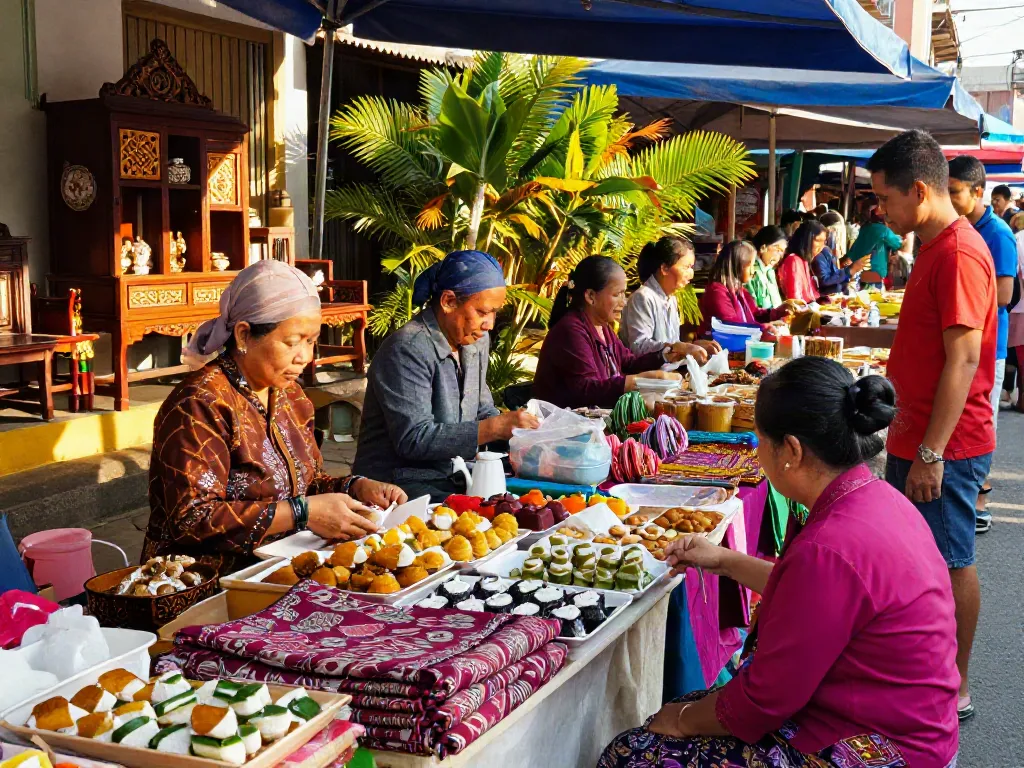
Nyonya culture is a vibrant blend characterized by distinctive customs, cuisines, and crafts. The term 'Nyonya' refers to the women of the Peranakan community, while 'Baba' denotes the men. This culture is renowned for its intricate embroidery, pottery, and traditional clothing, which are often infused with Chinese and Malay elements. Food is perhaps one of the most celebrated aspects of Nyonya culture, featuring dishes such as laksa, rendang, and kueh that have become popular across the region. The culinary diversity reflects the adaptability of the community, echoing their historical migration and integration into local society.
The Role of Nyonya4D in Contemporary Society
In today’s fast-paced world, Nyonya4D plays a crucial role in preserving and celebrating cultural heritage. It serves as a cultural bridge, connecting new generations with their roots. Various initiatives, such as cultural festivals and food fairs, have been organized to promote Nyonya traditions, ensuring that they remain relevant and appreciated. Additionally, the rise of social media platforms has created an avenue for cultural exchange, where enthusiasts can share recipes, stories, and experiences, further enriching the community.
Key Elements of Nyonya4D Traditions
The essence of Nyonya4D is reflected in its traditional arts, crafts, and culinary practices. Key elements include:
- Traditional Clothing: The Nyonya kebaya, a beautifully embroidered blouse, and the batik sarong are quintessential garments that represent the elegance of Nyonya attire.
- Culinary Arts: Emphasizing the use of fresh herbs and spices, Nyonya cooking showcases a unique style that blends flavors and techniques from both Chinese and Malay culinary traditions.
- Craftsmanship: Intricate beadwork, pottery, and textile designs showcase the artistic prowess of the community, often passed down through generations.
Common Issues Faced by Nyonya4D Practitioners
Despite the cultural richness of Nyonya4D, practitioners face several challenges that threaten the preservation of their traditions.
Challenges with Traditional Techniques
Many traditional techniques are at risk of being lost due to modernization and the influence of contemporary lifestyle choices. Younger generations often find it easier to adopt fast-paced, convenience-driven options rather than learning time-consuming traditional methods. This shift poses a significant challenge to the authenticity and continuation of Nyonya4D practices.
Lack of Resources or Knowledge
A lack of resources, including access to classes or workshops, can hinder the learning process. There may also be generational gaps in knowledge transfer, where older practitioners are either unwilling or unable to share their expertise with younger members of the community.
Misconceptions About Nyonya4D Practices
Misconceptions surrounding Nyonya4D practices can lead to a dilution of cultural identity. Many outsiders may view it merely as exotic cuisine or colorful clothing without understanding the cultural significance underlying these elements. Such misconceptions can discourage genuine appreciation and engagement with Nyonya traditions.
Effective Solutions for Nyonya4D Issues
To address the challenges faced by Nyonya4D practitioners, several effective solutions can be implemented to encourage the preservation and growth of this cultural heritage.
Utilizing Online Resources and Communities
The digital landscape has opened new avenues for Nyonya4D enthusiasts to connect. Online platforms and social media groups provide dedicated spaces for sharing knowledge, recipes, and experiences, helping to build a supportive community around Nyonya4D culture.
Adopting Modern Techniques While Preserving Tradition
Incorporating modern techniques into traditional practices can enhance accessibility for younger audiences. For example, offering workshops that blend technology with traditional crafting can draw interest while maintaining the essence of Nyonya4D culture.
Collaborative Workshops and Learning Opportunities
Organizing collaborative workshops that bring together seasoned practitioners and newcomers can facilitate knowledge transfer. Such events can also foster community spirit and encourage participation from various age groups.
Showcasing Nyonya4D: Promoting Cultural Heritage
Promoting Nyonya4D is essential for sustaining its relevance in contemporary society. Various strategies can be employed to showcase this rich cultural heritage.
Utilizing Social Media to Spread Awareness
Social media platforms have become powerful tools for cultural promotion. By creating engaging content that highlights Nyonya traditions, practitioners can reach broader audiences, fostering interest and appreciation for their culture.
Engaging with Local Communities and Events
Participating in local community events and cultural festivals allows practitioners to present their traditions in a celebratory setting. These interactions not only preserve cultural practices but also encourage local communities to engage with and appreciate Nyonya4D.
Creating Visual Content to Highlight Nyonya Traditions
Visual storytelling through photography and videos can effectively capture the beauty of Nyonya culture. Content that showcases traditional foods, clothing, and crafts can resonate deeply with both local and global audiences.
Future Trends in Nyonya4D for 2026 and Beyond
As we look toward the future, Nyonya4D is poised to evolve while remaining rooted in its vibrant heritage. Several trends can shape the trajectory of this cultural movement.
Innovations in Craftsmanship
Emerging technologies in design and craftsmanship may inspire new interpretations of traditional Nyonya arts. Craftspeople can leverage tools such as digital weaving, design software, and eco-friendly materials to create innovative pieces that honor tradition while appealing to contemporary aesthetics.
Integration with Modern Lifestyles
As lifestyles change, incorporating Nyonya4D elements into daily life—such as home décor, fashion, and cuisine—can enhance its relevance. Accessible and modern adaptations of Nyonya practices may attract a broader audience, particularly younger generations.
Preserving Cultural Identity in a Globalized World
In an increasingly interconnected world, maintaining a distinct cultural identity is paramount. Nyonya4D practitioners will need to find ways to celebrate their heritage while engaging with global narratives, ensuring that their culture continues to thrive without losing its essence.
What are some common misconceptions about Nyonya4D?
Common misconceptions include viewing Nyonya culture solely as a culinary experience without recognizing the broader socio-cultural significance. Understanding the full scope of Nyonya traditions can foster deeper appreciation among both practitioners and outsiders.
How can I involve my community in Nyonya4D activities?
Organizing local events, workshops, or cultural fairs can encourage community participation in Nyonya4D activities. Collaboration with community leaders can also enhance engagement and help create an inclusive environment.
What resources are available for learning Nyonya4D practices?
A range of resources exists, including online forums, local workshops, and cultural organizations dedicated to preserving Nyonya traditions. Engaging with these resources can provide invaluable insights and foster skills related to Nyonya4D practices.
Are there events to celebrate Nyonya culture?
Cultural festivals, food fairs, and art exhibitions are common events that celebrate Nyonya culture. These gatherings provide opportunities for practitioners to showcase their heritage and attract public interest.
How can I blend modern techniques with traditional Nyonya4D practices?
Blending modern techniques with traditional practices can be achieved by exploring innovative methods of production and presentation. For instance, utilizing social media to share cooking techniques or incorporating contemporary designs into traditional clothing can attract diverse audiences while honoring Nyonya heritage.