
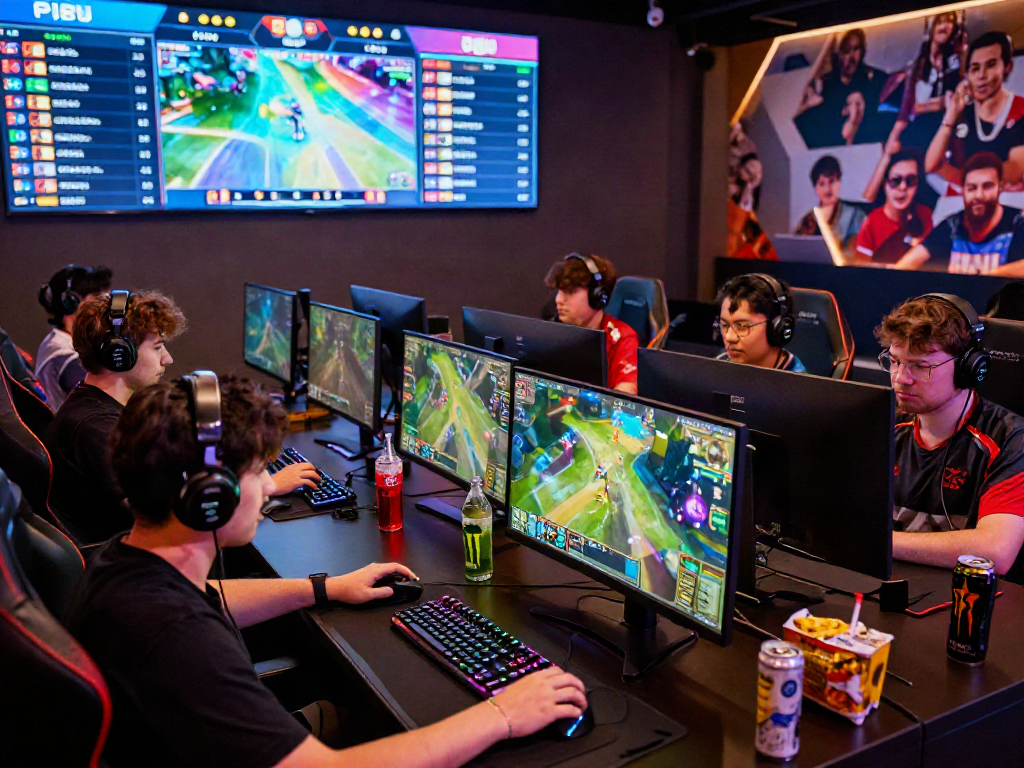
Understanding the Evolution of E-Sports
The world of e-sports has undergone a remarkable transformation over the past two decades, evolving from niche amateur competitions to a global billion-dollar industry. This growth trajectory has garnered the attention of investors, gamers, and spectators alike, making e-sports a significant player in the entertainment sector. Recent statistics indicate that e-sports viewership is projected to exceed 650 million by 2026, driven primarily by the rise of competitive gaming and streamlined access through platforms like Twitch and YouTube Gaming. Within this dynamic landscape, go8 serves as a vital hub for gamers, providing insights and resources that enhance the overall experience of gamers and viewers alike.
What is E-Sports and its Significance?
E-sports, short for electronic sports, refers to organized competitive video gaming where individuals or teams compete against each other in various video games. The significance of e-sports extends beyond mere entertainment; it fosters community, encourages skill development, and offers lucrative career opportunities for players, analysts, and organizers. Major tournaments attract millions of viewers, often surpassing traditional sports broadcasts, emphasizing e-sports' growing relevance in today's cultural landscape.
Historical Context and Growth of E-Sports
The origins of e-sports can be traced back to the early 1970s with simple arcade games, but it was not until the late 1990s and early 2000s that organized competitions began to flourish. The introduction of high-speed internet and platforms such as LAN cafes fueled this growth, allowing gamers to compete with one another more efficiently. By the mid-2010s, games like League of Legends and Dota 2 had transformed e-sports into a professional domain, complete with sponsorships, prize pools in the millions, and dedicated teams.
Key E-Sports Genres and Their Popularity
Today, e-sports is categorized into several genres, each with its unique appeal. First-person shooters (FPS), real-time strategy (RTS), multiplayer online battle arena (MOBA), and sports simulations are among the most popular. Games like Counter-Strike: Global Offensive (CS:GO), Fortnite, and FIFA have established themselves as powerhouses within their respective genres. The diverse genres ensure that there is something for everyone, contributing to a broad and inclusive audience.
The Role of Technology in E-Sports
Technology is at the heart of the e-sports evolution, influencing everything from gameplay to viewer accessibility. The rise of streaming platforms has made it easier for fans to follow their favorite players and teams, while advanced gaming hardware continues to enhance the competitive experience. As the industry matures, innovative technologies are set to play a pivotal role in shaping the future landscape of e-sports.
Impact of Streaming Platforms on Accessibility
Streaming platforms such as Twitch and YouTube have democratized e-sports, allowing anyone with a stable internet connection to access live matches and recorded gameplay. This accessibility has led to a surge in viewer numbers and the popularity of content creators who engage and entertain their audiences through live streams. The integration of chat features, donation capabilities, and subscription services has also enhanced community engagement and loyalty within the gaming ecosystem.
Innovative Technologies Enhancing E-Sports
Technological advancements like augmented reality (AR) and virtual reality (VR) are beginning to impact the e-sports arena, creating immersive experiences for gamers and spectators. For instance, VR allows players to engage in games in a three-dimensional space, enhancing the realism and excitement of competitive play. Moreover, AI-driven analytics tools are helping teams analyze gameplay, improve performance, and strategize effectively.
Future Tech Trends Shaping E-Sports Experiences
Looking ahead, we can expect to see significant advancements in mobile e-sports as smartphones become more powerful. With the increasing relevance of mobile gaming, tournaments on these platforms are likely to attract even larger audiences. Additionally, developments in 5G technology promise to enhance streaming quality and reduce latency, allowing for a more seamless viewing experience for fans worldwide.
Player Development and Training in E-Sports
Becoming a professional gamer requires more than just skill; it demands dedication, strategic thinking, and continuous personal development. To thrive in this competitive landscape, aspiring players must engage in rigorous training routines and hone essential skills.
Essential Skills for Professional Gamers
Professional gamers must master a variety of skills ranging from reflexive response time and hand-eye coordination to strategic decision-making and teamwork. Effective communication is also crucial, particularly in team-based games where collaboration can be the difference between victory and defeat.
Training Routines and Techniques
Training for e-sports involves a combination of practice, analysis, and physical conditioning. Players commonly engage in several hours of practice daily, focusing on specific mechanics, strategies, and teamwork exercises. Moreover, many players incorporate physical fitness into their routines, recognizing the importance of physical health in maintaining mental clarity and focus during intense competitions.
Psychology of Competitive Gaming
The psychological aspect of competitive gaming cannot be overlooked. Players often face immense pressure during matches, necessitating strong mental resilience and coping strategies. Techniques such as visualization, mindfulness, and mental conditioning play a critical role in helping players perform at their best, particularly in high-stakes situations.
Monetization Strategies in E-Sports
As e-sports continues to grow, so do the various monetization strategies employed by organizations, players, and content creators. Understanding these revenue streams is crucial for anyone invested in the industry.
Revenue Streams for E-Sports Organizations
E-sports organizations generate revenue through multiple channels, including sponsorship deals, merchandise sales, tournament winnings, and media rights. Sponsorships from major brands can provide significant funding, allowing teams to invest in better players and facilities.
Sponsorships and Brand Partnerships
Partnerships with brands are a major driver of income for e-sports organizations. Companies see e-sports as a valuable marketing channel, allowing them to reach a younger demographic that engages with content in different ways. These sponsorships often manifest as logo placements, product placements, and exclusive events.
Merchandising and Fan Engagement Strategies
Merchandising offers e-sports organizations a direct avenue for revenue. This includes clothing, accessories, and in-game items that feature team branding. Engaging fans through social media and community events is also essential, fostering loyalty and incentivizing merchandise purchases.
Future Predictions for E-Sports by 2026
As we look toward 2026, the e-sports landscape is poised for substantial growth, driven by advancements in technology and an expanding global audience.
Emerging Markets and Demographics in E-Sports
Emerging markets in regions such as Asia, Africa, and South America are becoming increasingly important as internet access improves and gaming communities grow. Understanding these demographics will be essential for brands looking to tap into new audiences and for organizers aiming to expand their reach.
Integration of Virtual Reality and Augmented Reality
The integration of VR and AR into e-sports is expected to create new forms of competition and viewing experiences. Events incorporating these technologies could allow fans to experience matches from players' perspectives, drastically changing how they engage with the games.
Challenges Facing the E-Sports Industry
Despite its growth, the e-sports industry still faces several challenges, including issues related to regulation, player contracts, and mental health awareness. Initiatives to standardize player contracts and protect mental wellness will be crucial as the industry matures and attracts more serious investments.
What are the current trends in E-Sports?
Current trends in e-sports include an increasing focus on player wellness, diversity in gaming, and the rise of mobile gaming as a competitive platform. Additionally, the use of analytics and AI is becoming more prominent in helping teams fine-tune performance.
How can newcomers break into E-Sports?
For newcomers looking to break into the e-sports industry, focusing on skill development, networking, and gaining experience through tournaments and content creation can be key. Engaging with communities and finding mentors can also provide valuable guidance.
What career opportunities exist within E-Sports?
The e-sports industry offers diverse career opportunities, ranging from professional players and coaches to roles in marketing, event management, and content creation. The demand for skilled professionals continues to rise as the industry expands.
How does go8 influence the gaming community?
Platforms like go8 play a significant role in shaping the gaming community by offering insights, resources, and a networking space for players, fans, and organizations. This connectivity fosters collaboration and innovation within the industry.
What are the ethical considerations in E-Sports?
Ethical considerations in e-sports include issues of fair play, player treatment, and issues surrounding doping and integrity. Addressing these concerns is vital to ensure that the industry remains credible and sustainable as it continues to grow.